
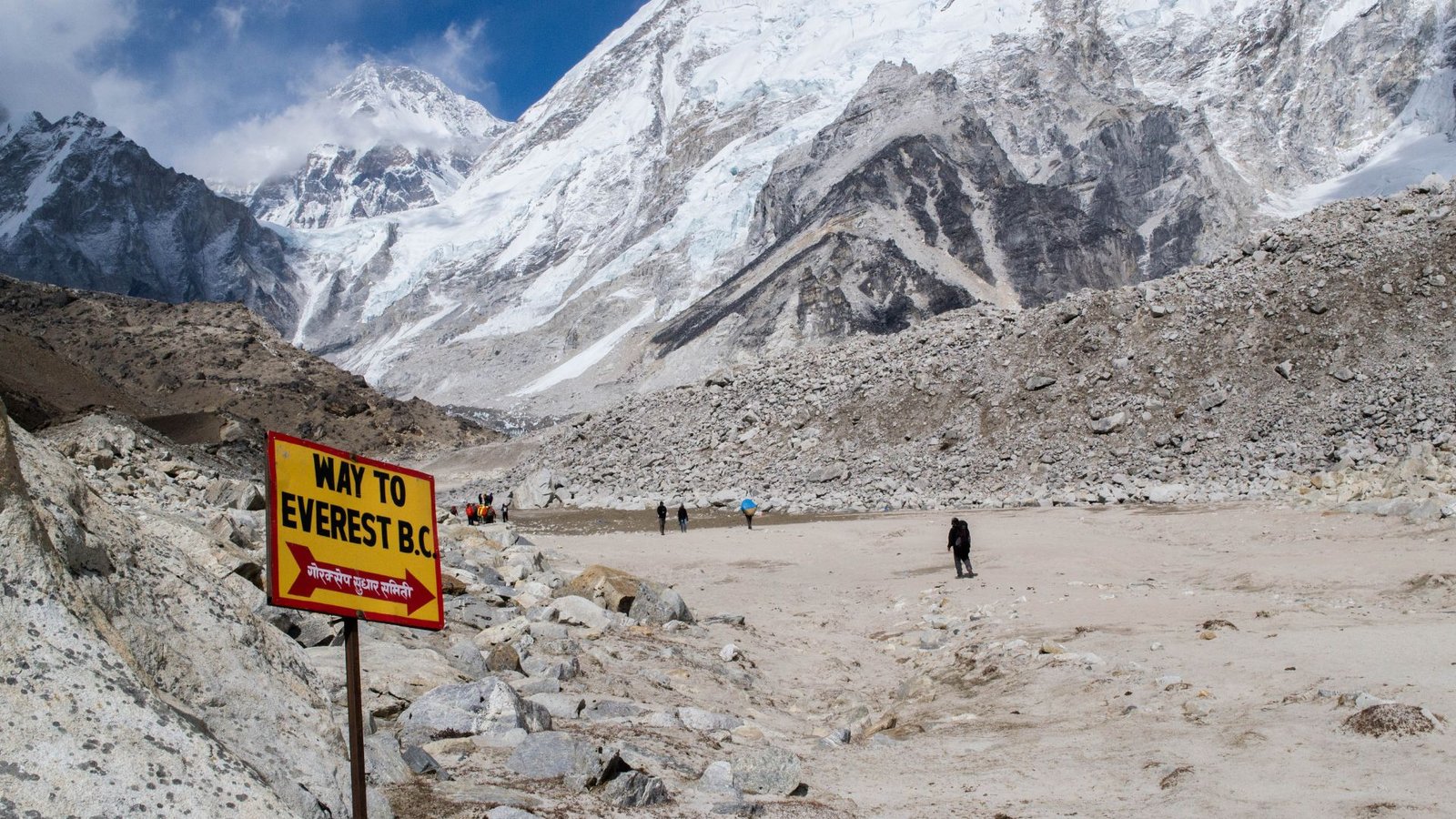
Everest Base Camp Trek (EBC) is one of the most distinctive and exciting trek trails in the world. The adventure is situated in the majestic Khumbu region of Nepal. It can be described as a journey through ancient Sherpa villages, deep valleys, rhododendron forests, glacial rivers, and majestic Himalayan peaks, including Mt. Everest (8,848.86 m) itself.
It is not only a stroll but an adventure of a lifetime that will take the traveler through the mountainous topography of the Far East, the culture of the Buddhists, and the spectacular sights of the world’s tallest mountains. The Everest Base Camp Trek is a perfect mixture of difficulty and beauty, whether you are a novice or an expert trekker.
Why the Everest Base Camp Trek is So Popular
Everest Base Camp Trek is considered to be one of the most popular trekking adventures in the world since it represents an excellent combination of nature, cultural diversity, and the difficulty of the altitude. Trekkers will spend their time in beautiful Sherpa villages, old monasteries, forests, and rugged Himalayan routes, and experience an unforgettable experience of the Everest, Lhotse, Ama Dablam, and Nuptse mountains.
This hike has become a lifetime ambition of numerous adventurers due to the opportunity of being at the foot of the highest mountain in the world. It is relatively easy to reach, the trail is well-maintained, and the Sherpa people are very hospitable, which has also contributed to the fact that the EBC trek has become one of the most popular experiences in Nepal.

Best Time for the Everest Base Camp Trek
Autumn (September-November) and spring (March-May) are the best times to hike to the base camp of Everest. It is spring, and the weather is pleasant; there are rhododendron forests in blossom, and the mountain is clear and in good view. The weather is stable, the skies are also clear, and the views are spectacular, so Autumn is the most popular Trekking season. Trekkers can also come in winter (December-February), when trails are quieter, but the temperatures may drop considerably. The peak of the rainy season (June-August) and summer are avoided because of heavy rainfall, clouds, and slippery walkways. The appropriate season is a guarantee of a safer and more entertaining adventure.
Everest Base Camp Trek (12 Days) Itinerary
The most common and risk-free trekking program that is used to ensure that a person has the right acclimatization is presented below.
Day 1: Fly to Lukla (2,860 m), Trek to Phakding (2,610 m).
An exciting mountain flight will take you to Lukla, where your journey will officially start.
Day 2: Trek to Namche Bazaar (3,440 m)
It is followed by a sharp climb to the gorgeous town and trading center of Sherpa.
Day 3: Namche Acclimatization Day.
Minor excursions to the Everest View Hotel and museums.
Day 4: Trek to Tengboche (3,860 m)
Tengboche Monastery with the Ama Dablam in the backdrop.
Day 5: Trek to Dingboche (4,410 m)
The relaxation walk over the spectacular Imja Valley.
Day 6: Dingboche Acclimatization.
Hiking to Nangkartsang Peak.
Day 7: Trek to Lobuche (4,910 m)
Get past the Everest Memorial of the climbers.
Day 8: Lobuche to Gorakshep to Everest Base Camp (5,364 m).
The climax of the hike was reaching the foot of the mountain, which is the highest in the world.
Day 9: Hike to Himalaya Foothill (5,545 m) to Pheriche.
The best point to watch the sunrise on the Everest.
Day 10-12: Hike back to Lukla and board an aircraft back to Kathmandu.

Everest Base Camp Trek Cost
Generally, the prices of the Everest Base Camp Trek lie between USD 1,200 and USD 1,600 based on the trekking agency, lodging option, group size, itinerary, and services provided. All the domestic flights, Kathmandu/Lukla, trekking permits, guide and porter costs, tea house lodging, and trek food are included in the price. But the personal costs like hot showers, Wi-Fi, snacks, charging electronic devices, guide and porter tips, and travel insurance are excluded. Additional expenditures on equipment rental or buying are also another factor to be taken into account by Trekkers. In general, EBC is a great experience of a lifetime adventure in the Himalayas.
Permits to EBC Trek
In order to walk to the Everest Base Camp, tourists require two main permits, namely the Khumbu Pasang Lhamu Rural Municipality Permit and the Sagarmatha National Park Permit. Such permits are useful in the preservation of the area, conservation activities, and the control of tourism. Sagarmatha National Park Permit is purchased in Kathmandu or Monjo, whereas Khumbu Municipality Permit is purchased at Lukla. Trekking agencies normally organize these permits, although individuals can also acquire them on their own. These permits are also required to carry everywhere because there are a number of checkpoints on the way.

Also Read
Everest Base Camp Trek Challenges
The Everest Base Camp Trek is rated as moderately challenging and is therefore adequate for both first-time and experienced trekkers who are well prepared. The trail entails 5-7 hour walks, hiking up steep paths, rocky trails, and elevated altitude. The greatest difficulty is altitude sickness, which may be experienced by any person, irrespective of fitness level. Good acclimatization, slowness in the pace, hydration, and listening to the instructions of your guide are important to a safe expedition. Although the expedition does not demand technical climbing or specialty skills, having good physical fitness and mental stamina is the main determining factor of successful completion of the adventure.
Food on the Trek and Accommodation
The environment of accommodation in the Everest Base Camp Trek is made up of traditional tea houses that are basic but comfortable in nature. Trekkers usually have lodgings in twin rooms with plain beddings and blankets. There are large and cozy dining areas, which offer both Nepali and Western cuisines. The typical food is Dal Bhat, which is reputed to be very good in giving energy to trekking. One may also have noodles, pasta, soups, eggs, and pancakes. The higher the altitude, the less complex and a little more costly are the food options because of transport difficulties. Hot drinks, charging, and Wi-Fi services are also provided in tea houses at an extra fee.
Packing List Everest Base Camp Trek
The Everest Base Camp Trek requires a packing list that has been properly planned. The main ones are a warm down jacket, thermal base-layers, moisture-wicking garments, a good sleeping bag, heavy trekking boots, gloves, and a hat. Trekkers are expected to bring with them reusable water bottles, a water purification system, sunscreen, sunglasses, headlamps, and basic toiletry products. Steep ones can be aided by trekking poles, which can support the balance and the knees.

The best of the Everest Base Camp Trek
The Everest Base Camp Trek is rich in indelible moments, including the inspiring flight to Lukla, the beautiful Sherpa village of Namche Bazaar, and the peacefully located Tengboche Monastery. During the expedition, Trekkers are offered breathtaking scenery of Everest, Ama Dablam, and other giant mountains of the Himalayas. Descending to Everest Base Camp (5,364 m) in itself is a memorable milestone, and observing the sunrise at Kala Patthar is usually regarded to be the most memorable sight of Mt. Everest. The combination of natural splendor, cultural diversity, and wildlife, as well as the spiritual vibrancy of all the trekking days, makes every single step of the hike really unique.
Why you should visit the Everest Base Camp Trek?
Everest Base Camp Trek is not only a hiking experience but also an emotional and spiritual journey, which will always remain with you. It also presents one of the most exclusive experiences to take the steps of renowned mountaineers, and also of enjoying some of the most breathtaking sceneries in the world. The expedition challenges you, it instills strength, and it will leave you feeling overwhelmingly successful once you are standing on the highest peak in the world. The EBC trek is the experience that will make you feel inspired throughout your life, whether you want to have adventure or self-development, or a better understanding of nature.

